

Memorize Anatomy With Image Occlusion and Spaced Repetition
Anatomy is part pictures, part lists: structures on a diagram, then the origin, insertion, innervation, and action of every muscle. RemNote handles both. Hide labels on any diagram to make image occlusion cards, put muscles in a table to drill each detail, and let spaced repetition keep it all fresh for your practical.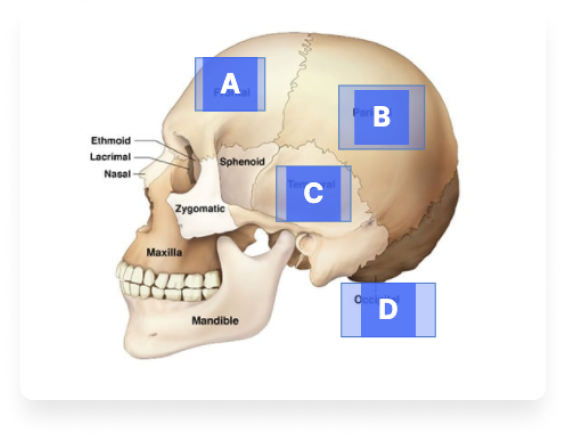
Join 1,000,000+ students getting higher grades!
Master Study Materials.


Turn Any Source Into Study Material
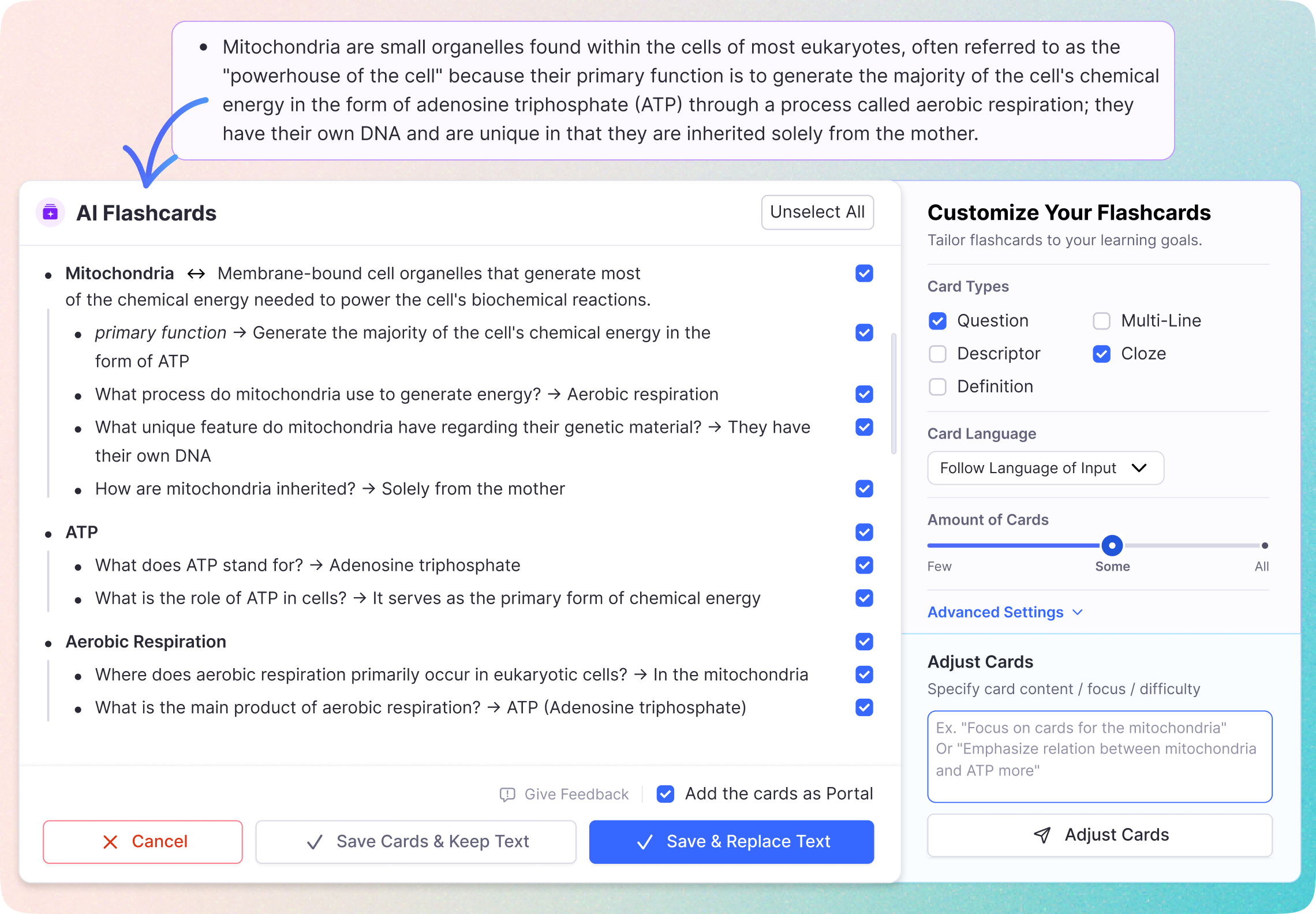
Upload notes, slides, or PDFs and let AI create focused flashcards, quizzes, and summaries. Edit anything it makes, or create cards directly inside your notes while you learn.
Turn Any Diagram Into Flashcards
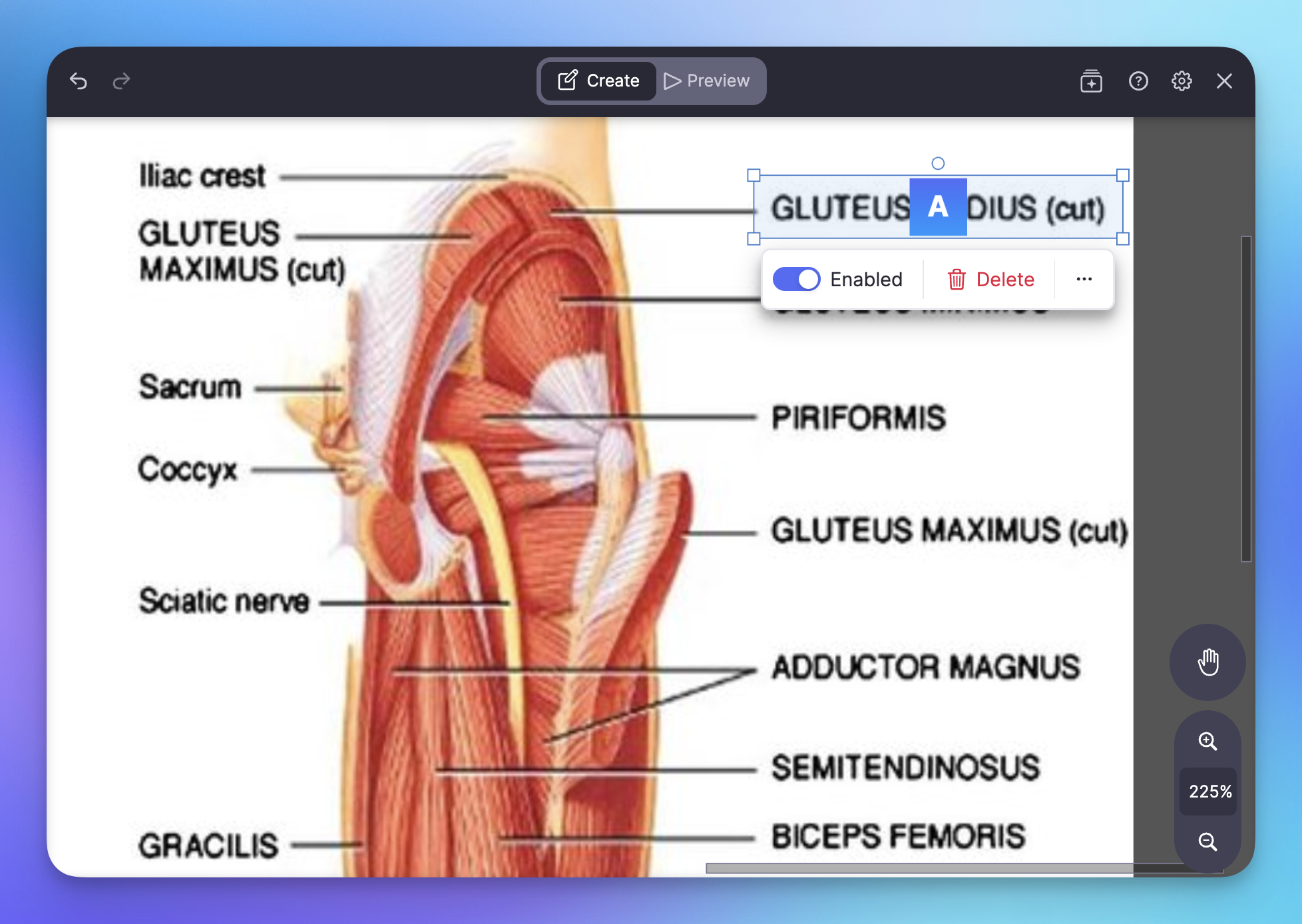
Drag boxes over the labels on an atlas image, a lecture slide, or your own sketch, and each box becomes an image occlusion card. AI image occlusion can read the labels and place the boxes for you. Use "Hide All, Test One" so neighboring labels never give the answer away, and type in labels during review for practical-style recall.
Origins, Insertions, Innervation, and Actions
Give each muscle a row and each detail a column. Table flashcards test one cell at a time, so you learn the insertion of the biceps brachii separately from its innervation instead of reciting a block of text.

Trace Pathways in Order
Blood flow through the heart, the branches of the brachial plexus, the course of a nerve: some anatomy only makes sense in order. Test-in-sequence occlusion cards reveal boxes one after another, and multi-line flashcards track each step of a list separately so you see exactly which part you missed.
One Place for the Whole Study Process
Capture what matters, practice it, and remember it long after the exam.
Notes and Sources Together
Keep notes, PDFs, references, and annotations connected instead of scattered across apps.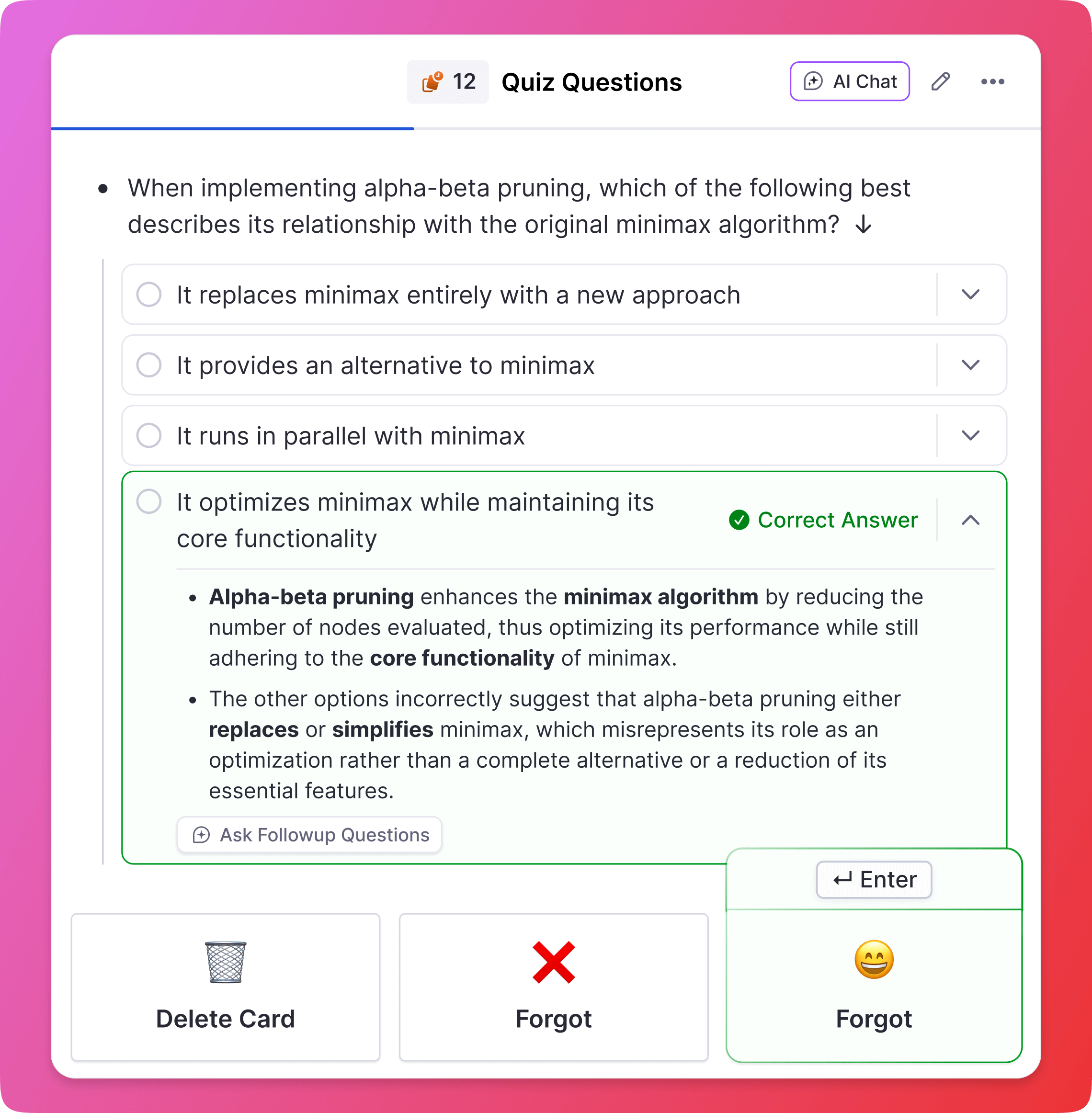
AI Flashcards and Quizzes
Turn the material you already use into active-recall practice in seconds.
Spaced Repetition Built In
Review each idea when you are about to forget it and move knowledge into long-term memory.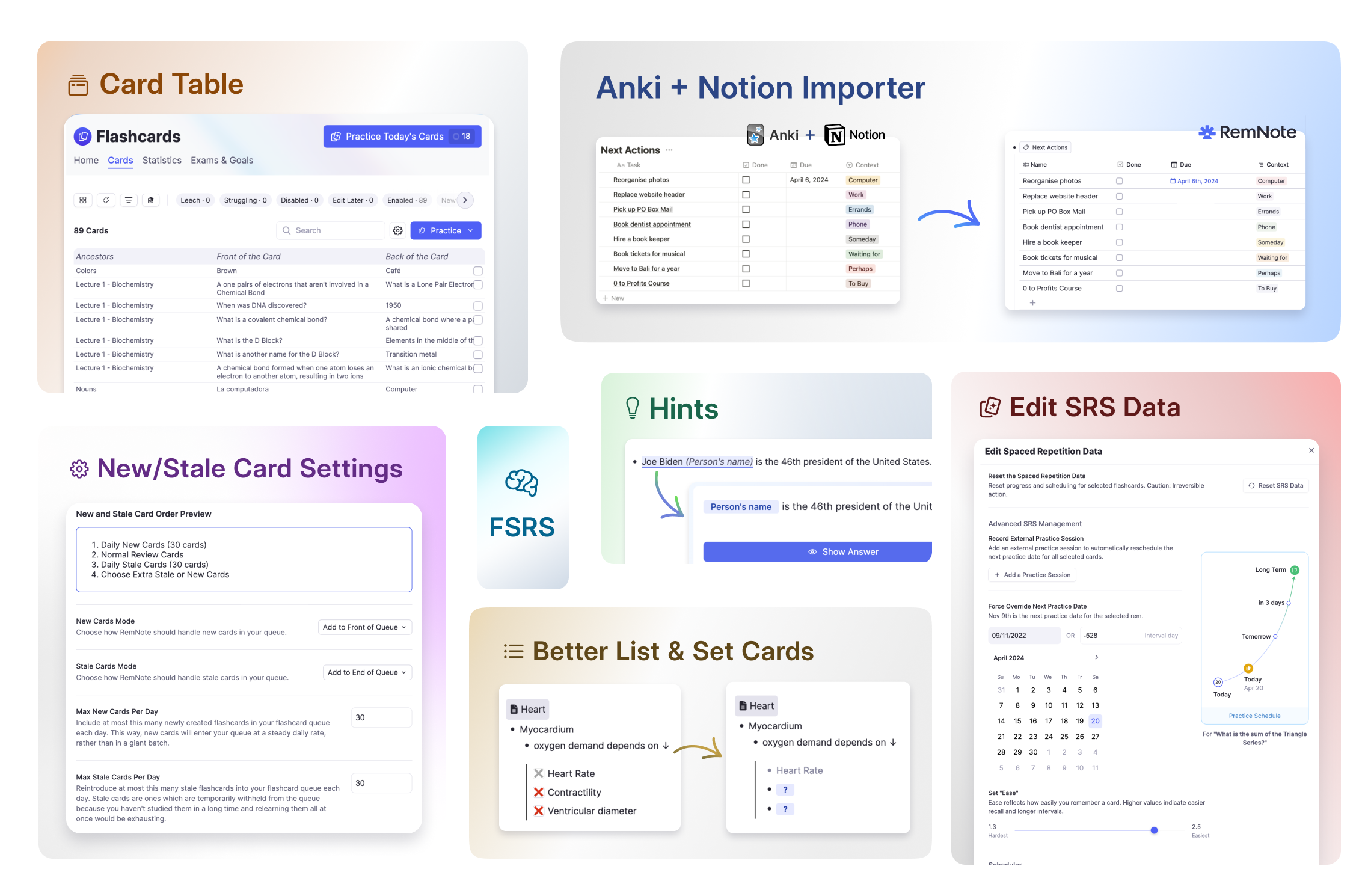
Study Less. Remember More.
RemNote combines active recall with SM-2 and FSRS scheduling to plan the right review at the right time. Set an exam date when you have one, then let your daily queue keep you on track.